

Michael Sands is an entrepreneur, C-suite executive, innovator, and investor with more than 35 years in the food and beverage industry. He has led and scaled multiple high-growth consumer packaged goods (CPG) companies including Snapple, Ben & Jerry's, LesserEvil Snacks, InBev, and Unilever. Catch his session. Essential Negotiation Skills, live at SFA’s Maker Growth Summit, December 8-10 in Boston. In advance of the Summit, Michael shares some hard-earned advice for makers in the below interview.
When meeting new buyers, what's the most important thing emerging makers need to communicate?
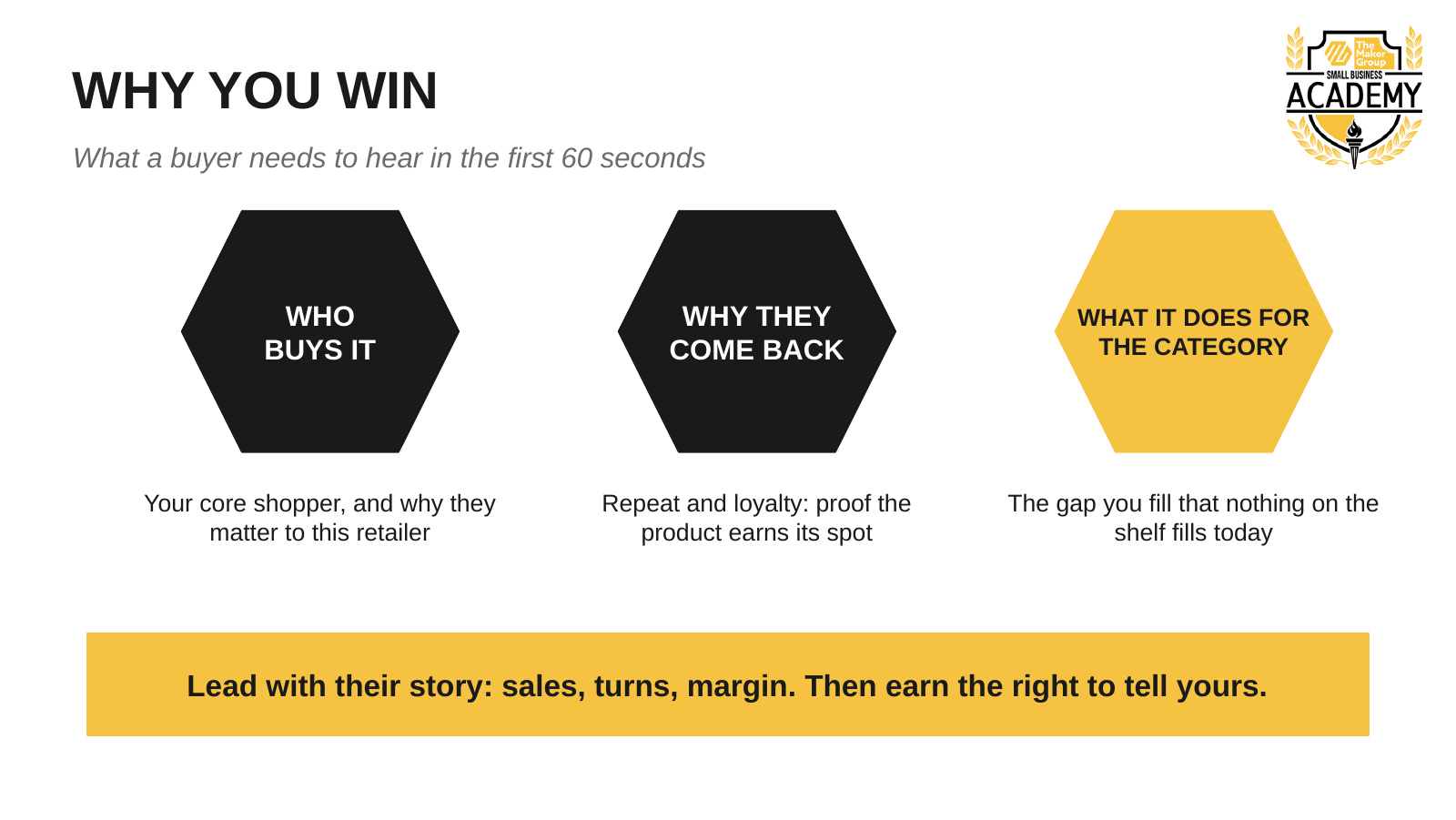 Why you win. Not what your product is — buyers see hundreds of products. What they need to know in the first 60 seconds is why your product wins at shelf: who buys it, why they come back, and what it does for the retailer's category that nothing else on the shelf does right now. Most emerging makers lead with their story. Buyers care about their story — their sales numbers, their turns, their margin. Lead with that, and earn the right to tell yours.
Can you share an example of a retail negotiation tactic you'd recommend for emerging makers?
Never negotiate against yourself. The most common mistake I see emerging makers make is pre-discounting before the buyer even pushes back. A buyer says "your price is high" — and the founder immediately starts explaining their COGS, offering a lower intro price, or throwing in free fills. That's not negotiating. That's surrendering. The right move is to stay calm, ask a question — "compared to what?" — and let the buyer tell you what problem they're actually trying to solve. Most of the time, price isn't the real issue. Terms, velocity support, or marketing commitment is. You can't trade well if you've already given everything away in the first exchange.
How is AI changing the retail buying landscape, and how must makers adapt?
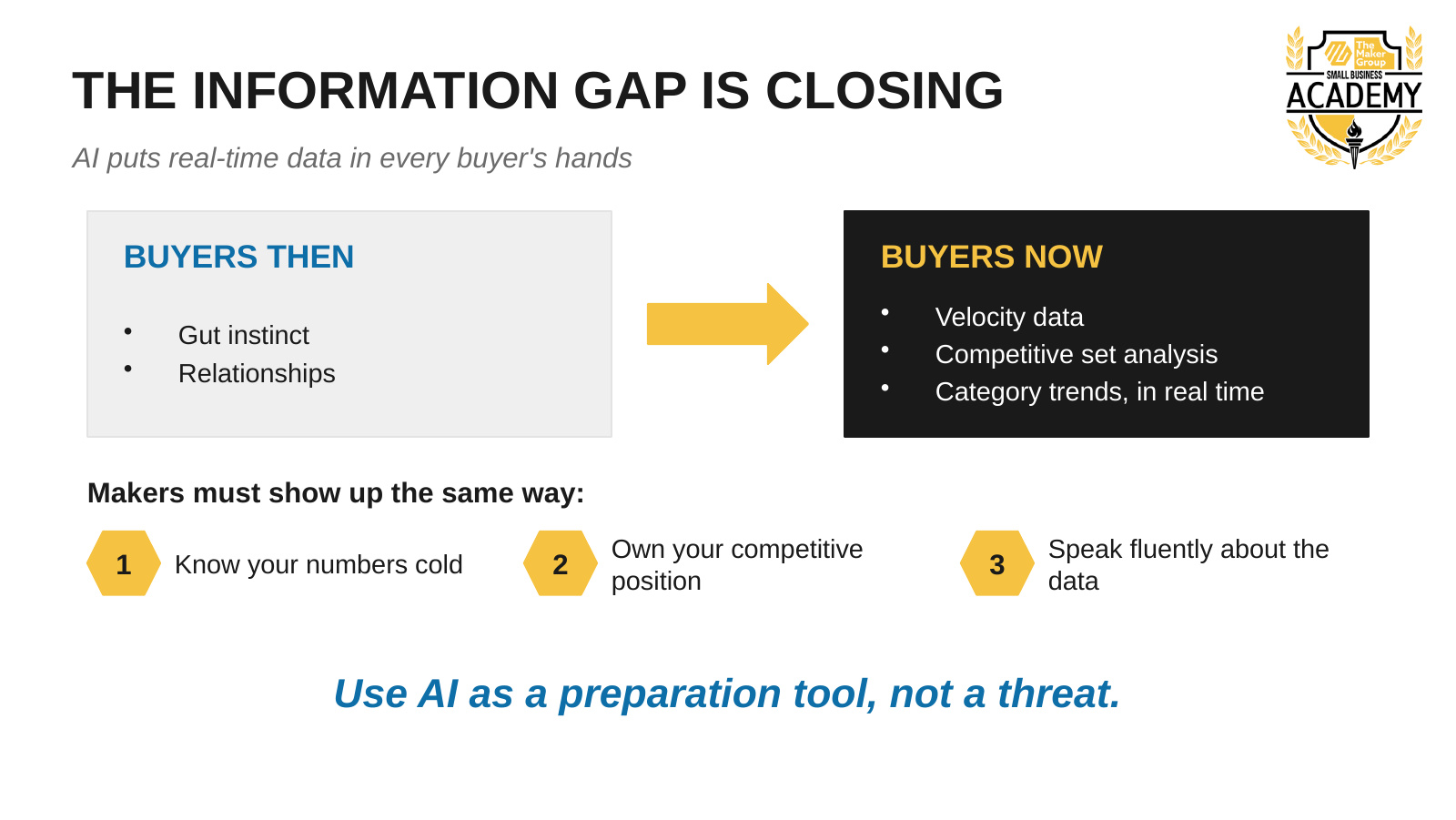 Buyers are getting smarter faster. AI is giving retail buyers access to velocity data, competitive set analysis, and category trends in real time — which means the information asymmetry that small brands used to be able to hide behind is disappearing. A buyer used to rely partly on gut and relationship. Now they're walking into a meeting with a dashboard. Emerging makers need to show up the same way: knowing their numbers cold, understanding their competitive position, and being able to speak fluently about what the data says — not just what they believe about their product. The makers who thrive will use AI as a preparation tool, not a threat.
What's a trend in the specialty food retail landscape that emerging makers need to pay attention to?
The rise of the discerning skeptic. Specialty food shoppers have never been more sophisticated — and more suspicious. They've been burned by "better-for-you" claims that didn't hold up, by brands that went mainstream and lost their soul, by clean labels that weren't clean. What's emerging now is a consumer who rewards radical transparency: real ingredients, honest sourcing, no marketing tricks. For makers, that's actually great news — if you're the real thing. The brands that are winning in specialty right now aren't the ones with the biggest marketing budgets. They're the ones with the clearest story and the courage to let the product do the talking.
Find Michael on LinkedIn or visit The Maker Group website for more.
Get full details about Maker Growth Summit in Boston.